For mobile operators

Win the enterprise sites your public network cannot serve

Large customers want a network of their own: their coverage, their priorities, their data. SignalCore brings the core, the services, and the engineering. You keep the customer relationship, the brand, the numbers, and the regulatory role.
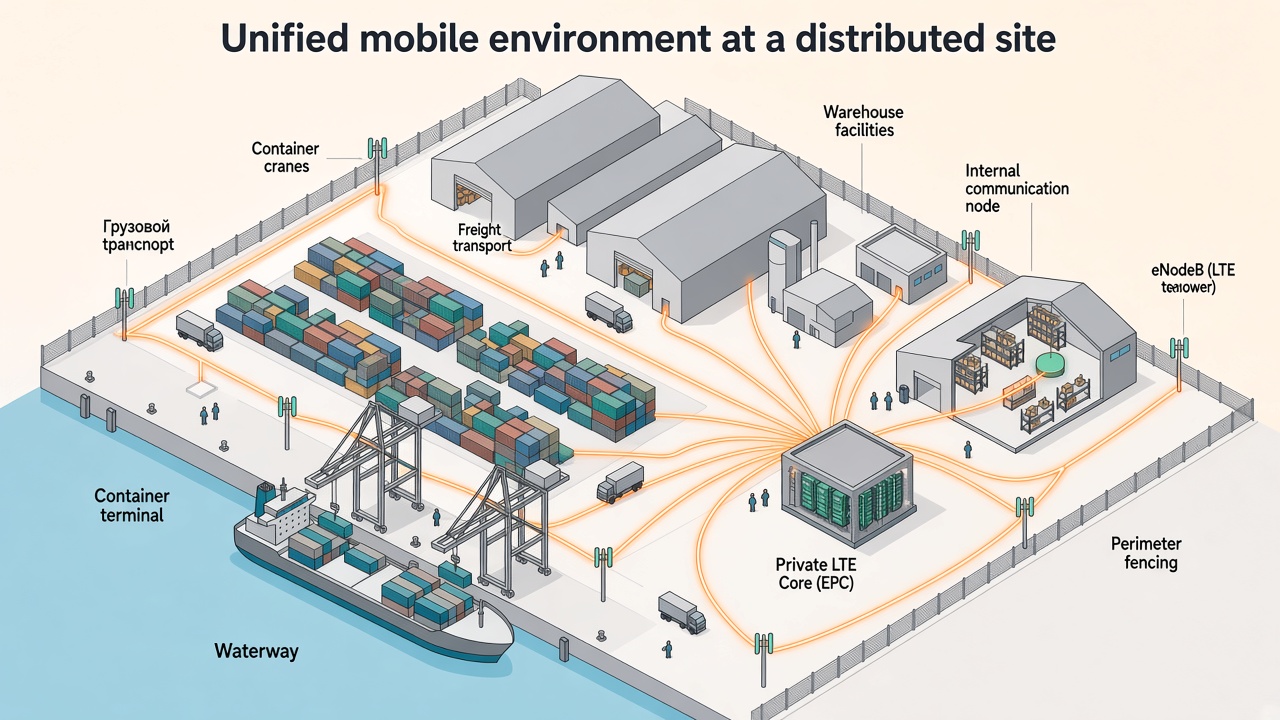
Industries for a private network

What a large customer actually asks

Ports, plants, and airports no longer ask only for better coverage. They ask for control. If you cannot offer it, someone else will.

Coverage of their site

Including the shop floor, the apron, the pit, the perimeter, and remote locations that public coverage was never planned for.

Priority for operations

Video, emergency voice, and process traffic must not drown in general load during a peak or an incident.

Data in the right place

The customer wants to know where their traffic and events are processed, and often wants them kept on site.

A fit with their systems

Security, dispatch, inventory, and sensors connected to one network, not another isolated radio island.

Voice and SMS inside

Internal calls, short numbers, and alerts that keep working when the public network is overloaded.

Their own view of the network

The customer's team wants to see devices, alarms, and statistics without calling the operator for every question.
Industries for a private network
Ports, airports, plants, energy, campuses: separate offers built on one core.

Why partner with us instead of building alone

Building and maintaining a core for a handful of enterprise contracts rarely pays off for a large operator. Rolling specialised features across the whole mass network makes even less sense. We already have the core, and we keep developing it.

A ready platform

Core, subscriber platform, voice, SMS, signaling router, and console, already integrated and tested together.

Specific requests become possible

Short numbers, call recording, speech analytics, VPN into the customer network, location services: sensible for one site, wasteful for millions of subscribers.

No core lab on your side

Architecture, feature development, and engineering support stay with the team that writes the code.

Longer, deeper contracts

You sell a managed service and become part of the customer's infrastructure, not just a line for traffic.

Show it before you sign

A demonstration setup lets the customer see voice, SMS, data, and monitoring working before the contract is signed.

Room for your own services

Build your own offers on top, such as IoT, video, or analytics, without changing the core.

Who does what

The operator

The contract, the brand, numbering, part of operations, and the conversation with the regulator.

SignalCore

The core, the service stack, feature development, and engineering support throughout the project.

Radio partners

When the project needs them: site survey, radio planning, and installation.

A direct line on the core

We stay in the project wherever the Private LTE/5G technology is involved. That is what makes the joint product work.

The customer

The site, access to the premises, the internal systems to connect, and the people who will use the network.

Integrators

Where needed: transport network, installation, and integration with the customer's IT systems.

What we take to market together

One core, many products. Each industry offer reuses the same platform, so every new contract is faster to prepare than the one before.

A private network as a service

One site, or a group of sites for the same customer, under your brand and your service terms.

Industry offers

Ports, airports, plants, energy, logistics, campuses, hospitals, and the public sector.

Services on top of the network

Video, SMS, location and zones, voice, desk phones, VPN, call recording, speech-to-text, and several profiles on one SIM.

Flexible placement

In your infrastructure, on the customer site, a hybrid of both, or across several locations.

Location services

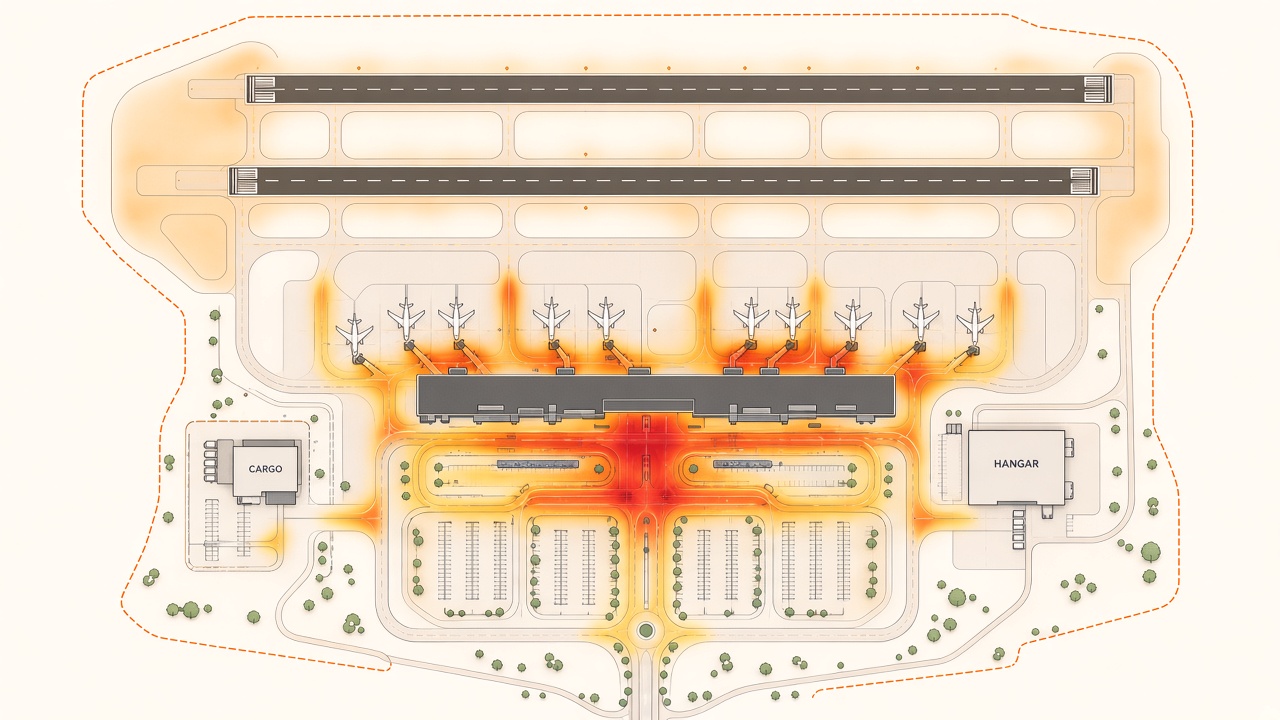
Presence by zone, geofences, heat maps, and movement history become part of the offer for safety and dispatch teams.

One SIM, several roles

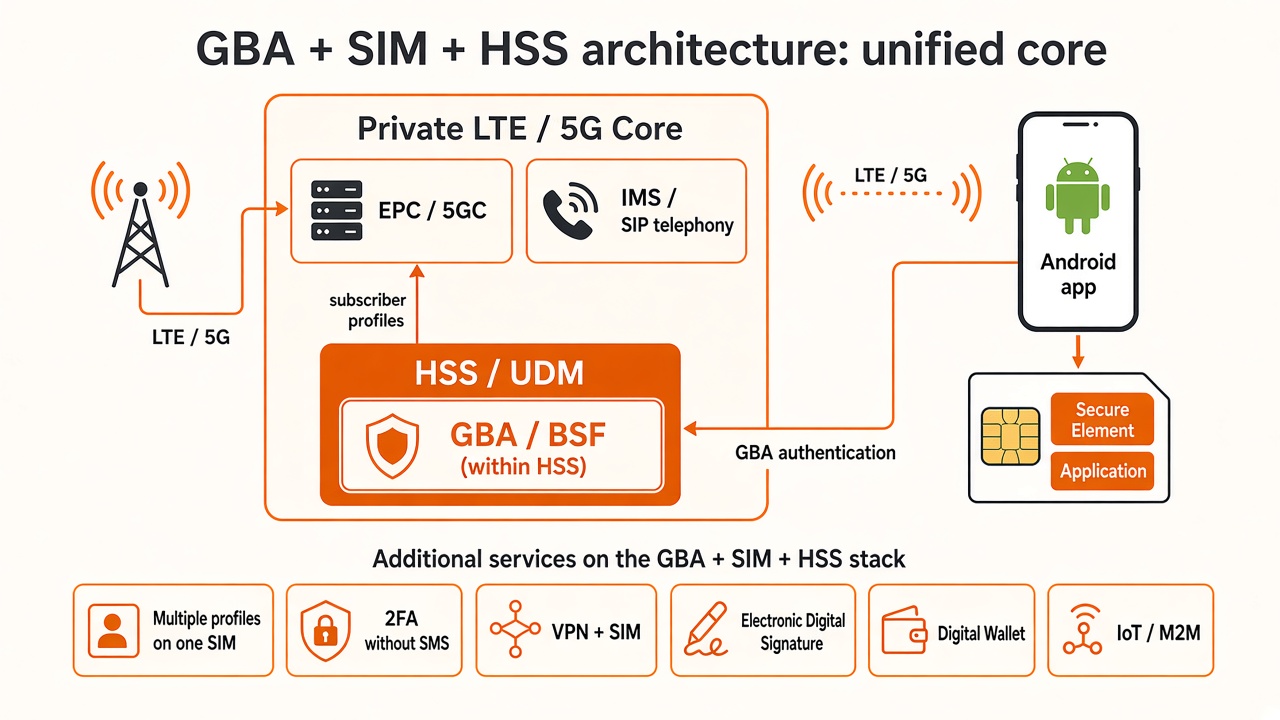
Private profile on site, public profile outside, limited profiles for contractors, and trusted services on the card.
Location analytics on a site
Location and zones turn into a service the customer can see every day.
SIM profiles and the core
Several profiles on one card and trusted SIM services belong to the same platform.

Run the whole network from one screen

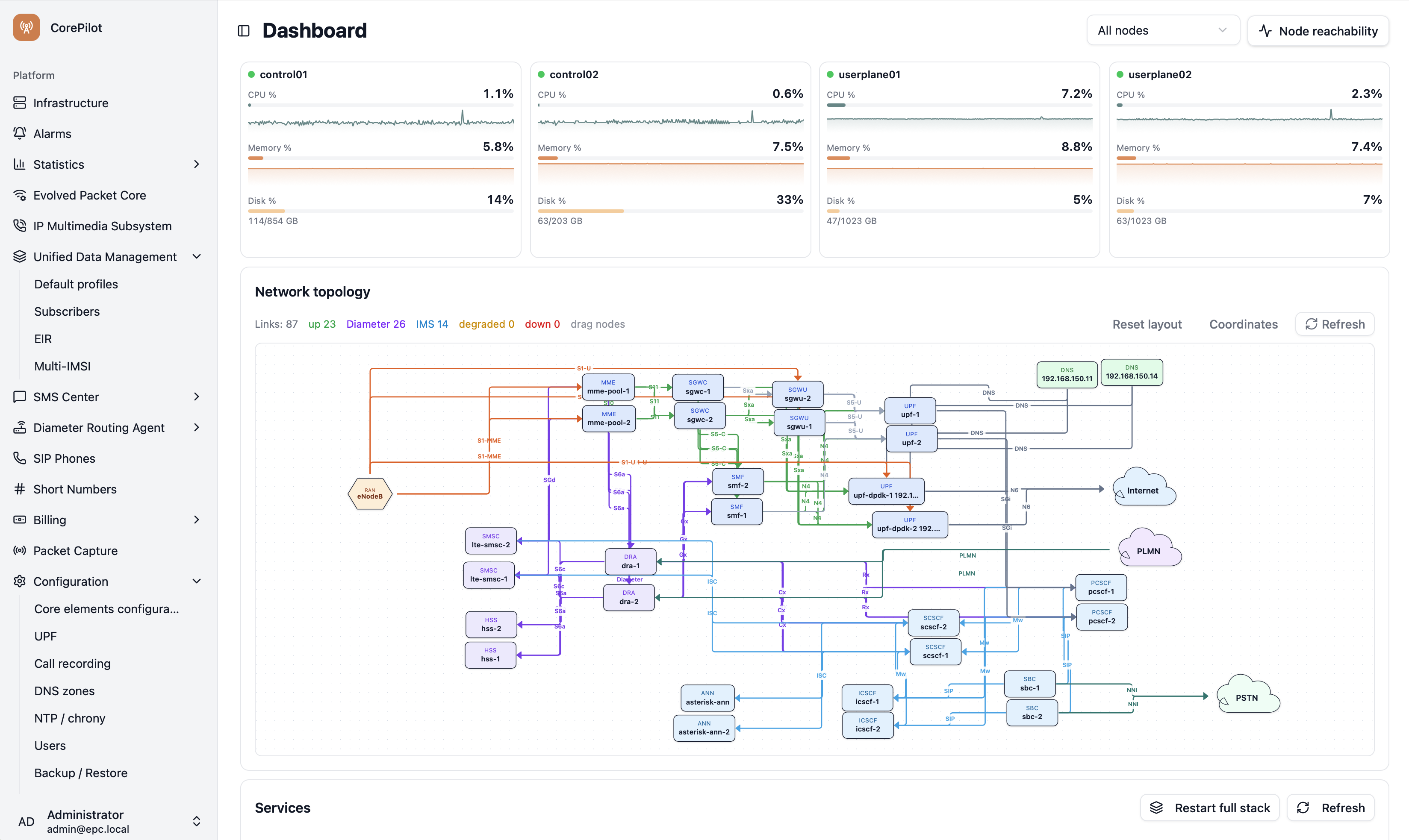
Your operations team should be able to run a customer network like any other part of your service. CorePilot is the web console for the entire core. It plugs into the monitoring you already have, and it lets each person see and do exactly what their role allows.

Health at a glance

Every server, service, and connection on one dashboard. A live network map shows which link is down, so nobody has to guess where to look.

Alarms that make sense

Faults are raised and cleared in one list with priority and history. Silence known noise during planned work and forward every event to your existing monitoring.

Statistics in plain numbers

Registrations, sessions, calls, and response times on clear charts. When someone asks "is it the network?", you answer with facts instead of opinions.

Subscribers and SIM cards

Add one SIM or load a whole batch. Assign profiles and speeds, block a lost device, or end a session right now, without touching a single file.

Base stations included

See connected small cells, read their settings, and change them remotely from the same console.

Voice and SMS tools

Desk phones, short numbers, links to the public phone network, call records, recordings, an SMS log, and sending an SMS from the browser.

Roles and a full action log

Administrator, operator, and viewer roles, plus groups that decide who may change what. Every action is recorded, so there is always an answer to "who did this?".

Backup and restore

Save the configuration, subscriber data, and secrets from the console, and bring them back step by step when you need to.

Troubleshooting without server logins

Read the logs of every component and capture traffic across several servers straight from the browser.

A built-in AI assistant for alarms

An optional Health Agent: automatic AI software that runs fully isolated on your own servers. It is not a person and not an outside AI service, and it needs no connection beyond your network. It reviews alarms and suggests the likely cause and next steps. Your team makes the decision.

Control over which devices connect

Allow or block specific phones, modems, and routers by their hardware ID, so a stolen or unapproved device cannot join your network.

Network settings in plain forms

Data gateway, DNS, time sync, and console users are set up in the browser, not in configuration files on each server.
CorePilot web console
Core health, services, and subscribers in one window.

Built for real operation, not for a lab

Free open-source cores such as Open5GS look like a shortcut to your own private network offer. They are a good foundation, and our core stays compatible with that base. But a customer who signs for a critical site expects a service that survives failures, carries voice, and can be operated by your team. Building that on top of a lab core is a project in itself. We have already done it.

How it is built

Typical free open-source coreOne server, set up for a lab or a demo.

Our coreA cluster of servers, with a standby for every key function.

When a server fails

Typical free open-source coreEvery phone on it drops and has to reconnect from scratch.

Our coreA neighbouring node takes over. Where possible, the session and the device's IP address are kept.

Subscriber database

Typical free open-source coreA simple built-in database in a single copy. If it stops, nobody can connect.

Our coreOur own subscriber platform, replicated across servers and served by two front ends.

Voice and SMS

Typical free open-source coreNot included. Internet access only.

Our coreVoice over LTE, SMS, desk phones, and short numbers are part of the delivery.

Signaling between nodes

Typical free open-source coreNodes are wired to each other directly.

Our coreA dedicated signaling router balances load and reroutes around failures.

Day-to-day management

Typical free open-source coreConfiguration files, restarts, and reading logs on each server.

Our coreOne web console for subscribers, services, alarms, statistics, and settings.

Alarms and statistics

Typical free open-source coreYou build monitoring yourself.

Our coreBuilt in, with forwarding to the monitoring system you already use.

User data speed

Typical free open-source coreA software gateway with a lower ceiling.

Our coreA hardware-accelerated data path on 10 Gb and faster ports, with a standby pair.

Access control and backup

Typical free open-source coreNo roles, no action log, no managed backup.

Our coreRoles, groups, a log of every action, and backup and restore from the console.

Who helps when something breaks

Typical free open-source coreCommunity forums and your own engineers.

Our coreThe team that develops the core.
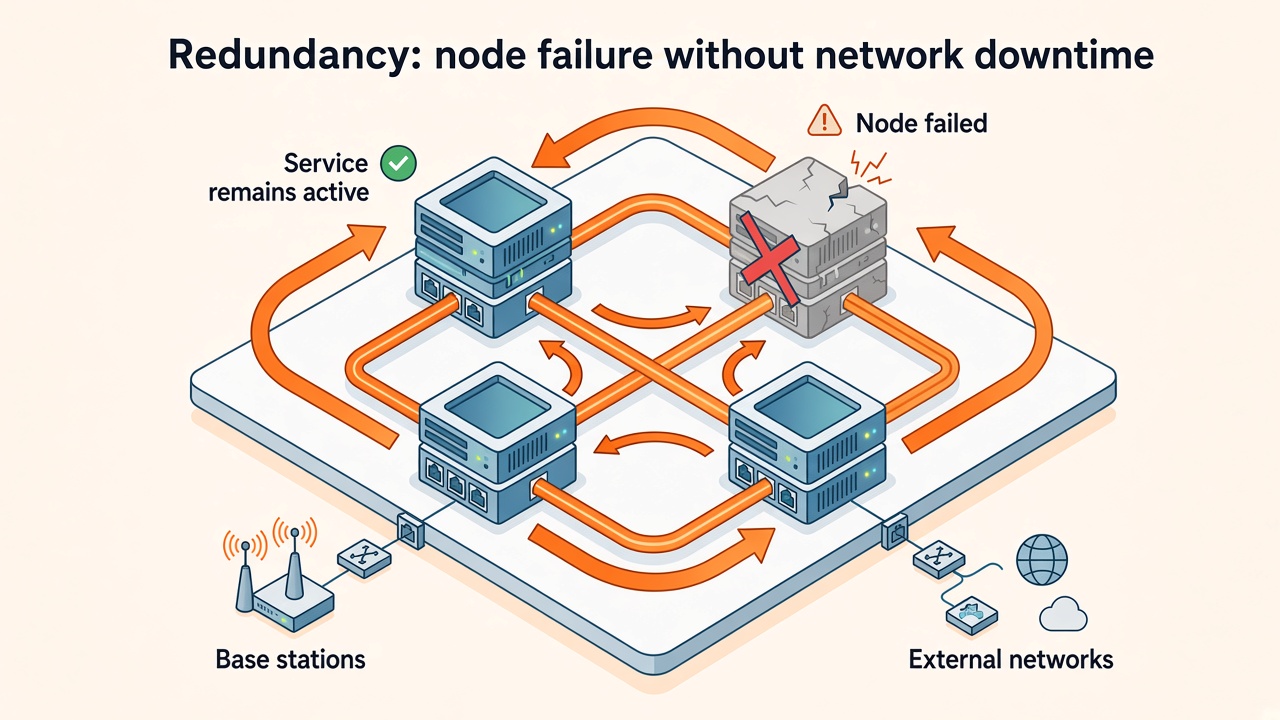
Traffic moving to a standby part of the core
If one node fails, its work moves to a healthy neighbour.
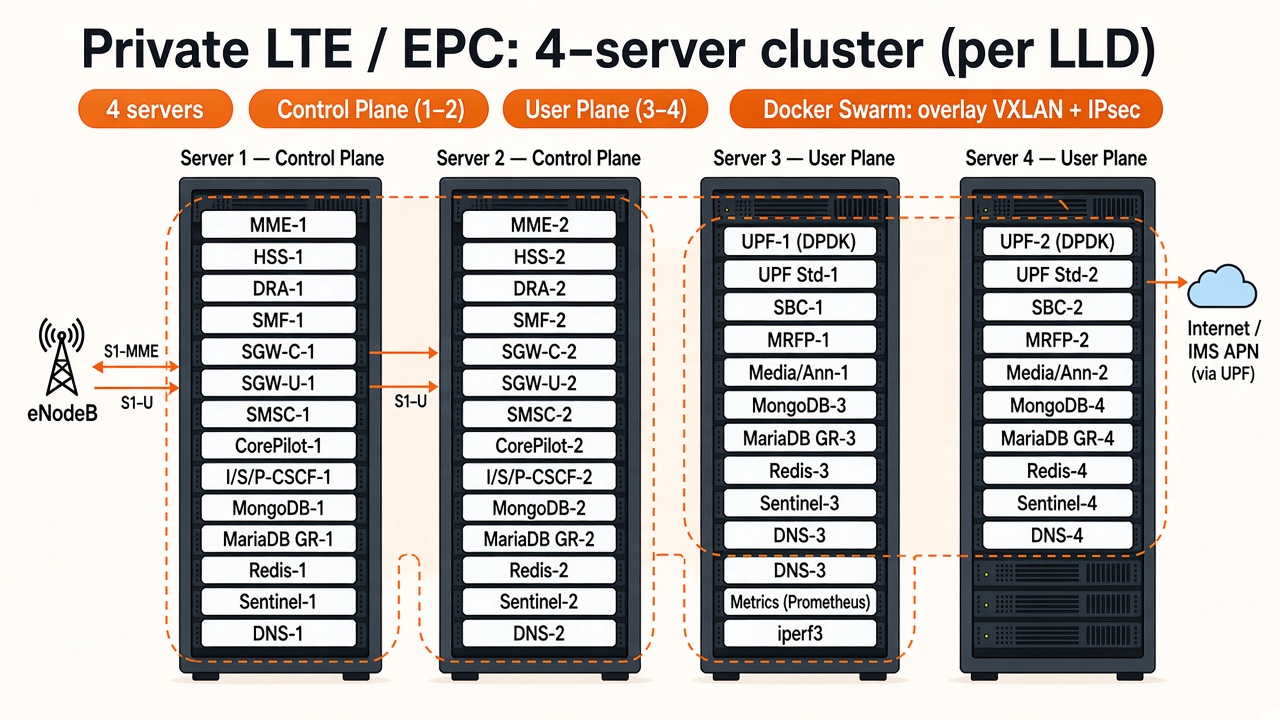
Core functions spread across several servers
Key functions run on several servers. The exact layout is chosen for each project.

Ready for production traffic

An enterprise customer signs for a network that runs every shift, not for an experiment. The architecture is built for that from the start.

Standby for key functions

Subscriber data, sessions, policies, and management never depend on a single server.

Automatic takeover

Nodes watch each other. When one fails, a neighbour takes over its subscribers, keeping sessions and addresses wherever possible.

Fast data path

Internet traffic runs on a hardware-accelerated path, while voice and video use their own gateways.

Signaling router included

Load balancing, rerouting around failures, and link management from the console.

Voice is part of the delivery

Voice over LTE, SMS, and links to the public phone network come with the core, not as a separate add-on.

Events into your NOC

Alarms from the core are forwarded to the monitoring your operations centre already uses.

A platform that keeps growing

Your enterprise customers will keep asking for more: 5G, precise location, massive IoT, automation. Because we write the core ourselves, you can promise them a path forward on the same platform, instead of a replacement project.

5G with the same resilience

5G core functions join the platform with the same standby model as LTE: saved state, pool failover, and the device keeps its session and address.

Precise positioning

Positioning protocols for LTE and 5G move location from "which cell" to a far more accurate point on the map.

Geo-analytics and a Geo API

A map in the console, location on the subscriber card, heat maps, movement history, and zone alerts. Your own systems can request a location or subscribe to zone events.

Massive IoT

NB-IoT on LTE and RedCap on 5G for sensors and trackers that send little data and need a long battery life.

Ultra-reliable low latency

5G modes for remote control and automation, where a delayed command is not acceptable.

Follow one device end to end

Trace a single subscriber across every interface of the core and see the whole story in the console, instead of collecting it by hand.

Every task from the console

All operational and configuration work on every part of the core, without editing files or logging in to servers.

Failover without a gap

Moving even active sessions and calls to a healthy node without the user noticing, including a fully resilient voice service.

Secure 5G interconnect

A border gateway for 5G signaling between networks, managed from the same console.

Ways to partner

Core supplier

The Private LTE/5G platform behind your enterprise projects.

Joint pilot

You lead the commercial and infrastructure role, we lead the core and engineering, the customer provides the site.

Your brand on the product

The market sees your product line. The technology underneath stays ours and keeps evolving.

Industry adaptation

We adapt the platform to the requirements of a specific project or industry.

Multi-site rollout

One customer, several sites, one platform. New locations are added as the contract grows.

Operations support

SignalCore engineers help your team run the core day to day while your staff gets to know the platform.
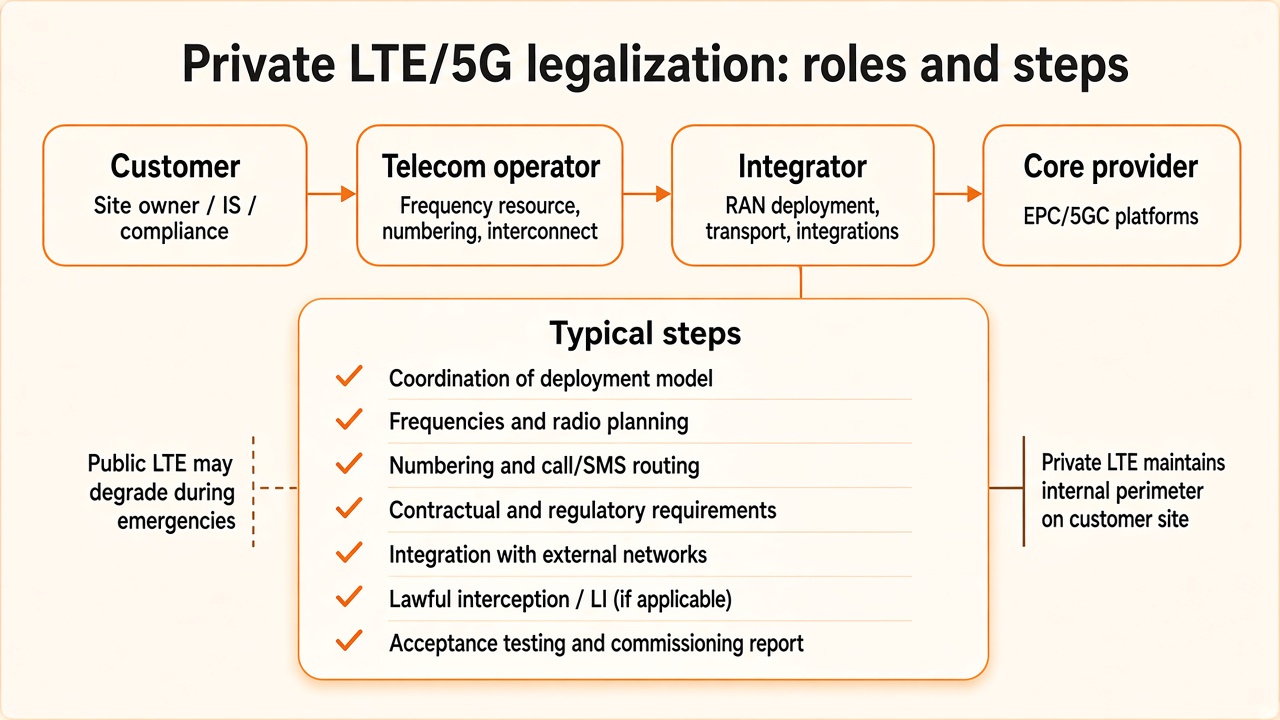
Roles of the operator, the customer, and the core developer
Spectrum, numbering, and external interconnects are agreed between the parties.

Questions operators ask

Tell us about your site

Describe the place and what has to stay connected. The request goes to our team by email, and we can show the network working on a demonstration setup.